Somalia on high alert as Marburg virus outbreak hits neighbouring Ethiopia

Somalia’s Health Ministry has raised Marburg virus surveillance after confirmed cases in Ethiopia, reinforcing border monitoring, rapid-response teams and public awareness while coordinating with WHO and regional partners.
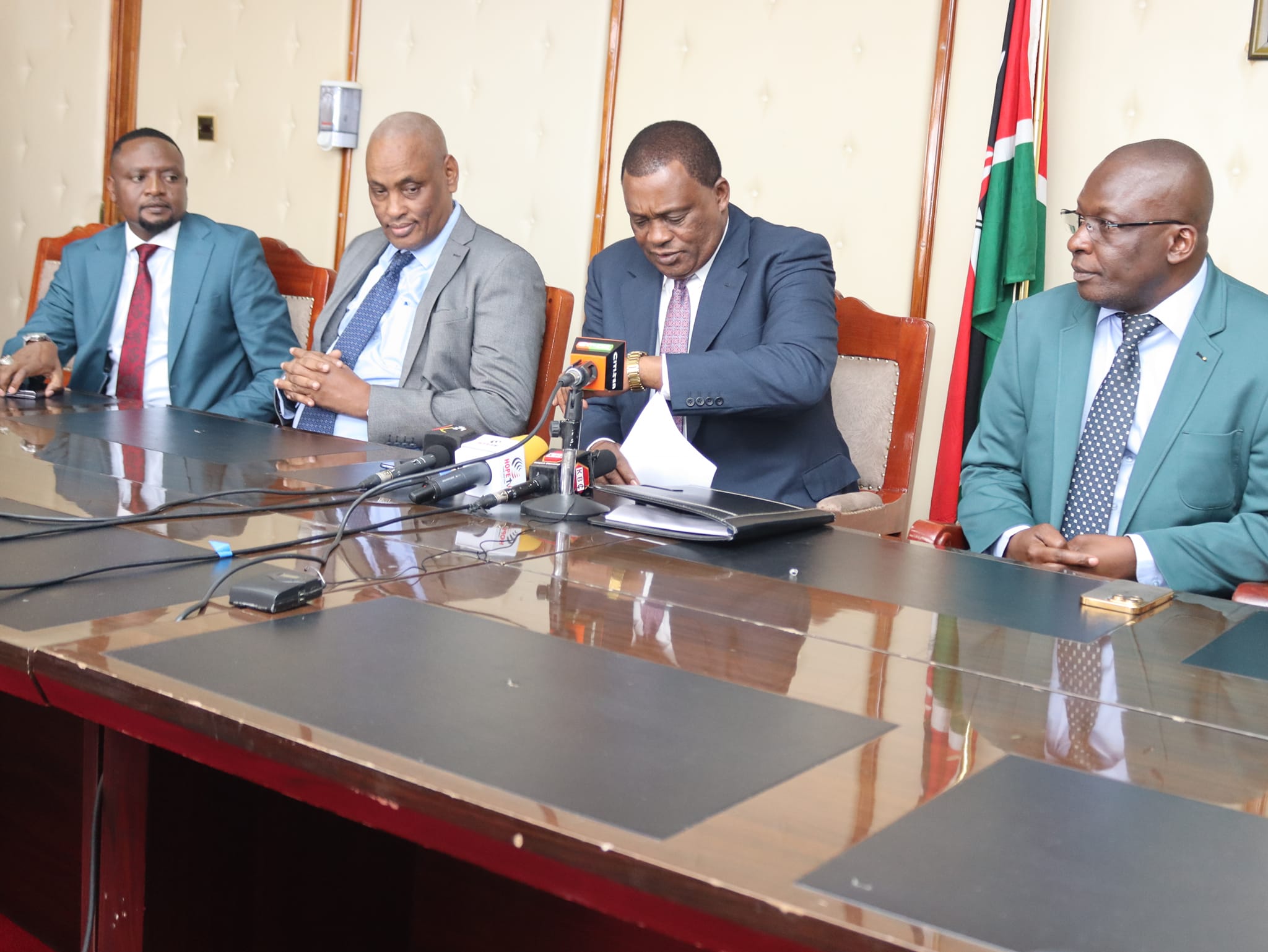
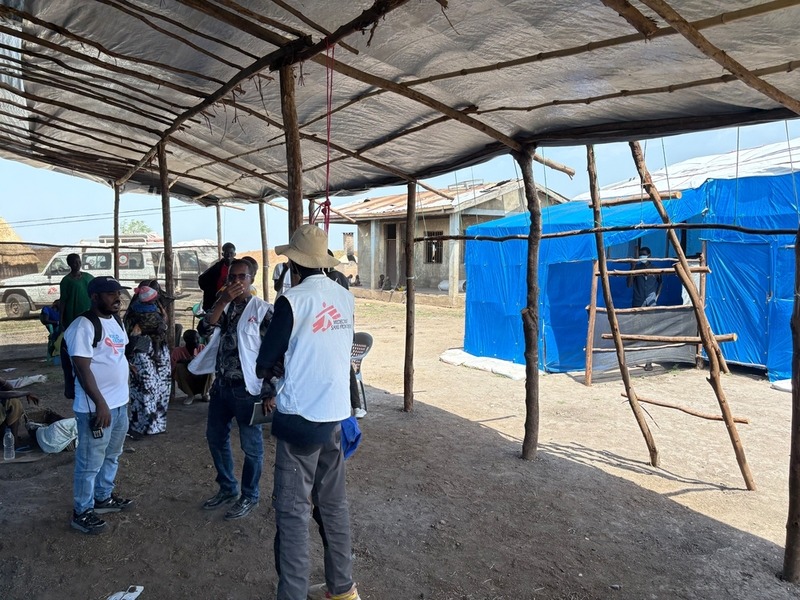
Somalia’s Ministry of Health has announced that it is closely monitoring the Marburg virus following the confirmation of infections in the Jinka region of Ethiopia.
The ministry said the update from Ethiopian authorities has prompted a thorough assessment of potential cross-border risks and a review of Somalia’s current preparedness.
More To Read
- Rwanda Cabinet approves reforms on transport, currency, climate
- Wave of coups in Africa: What President Paul Kagame thinks
- DR Congo, Rwanda leaders to sign peace deal in US
- Kagame says some coups are justifiable if they address governance failures
- Mogadishu police, intelligence agents crack down on armed groups after surge in street crime
- Somalia declares drought emergency as millions face hunger after failed rains
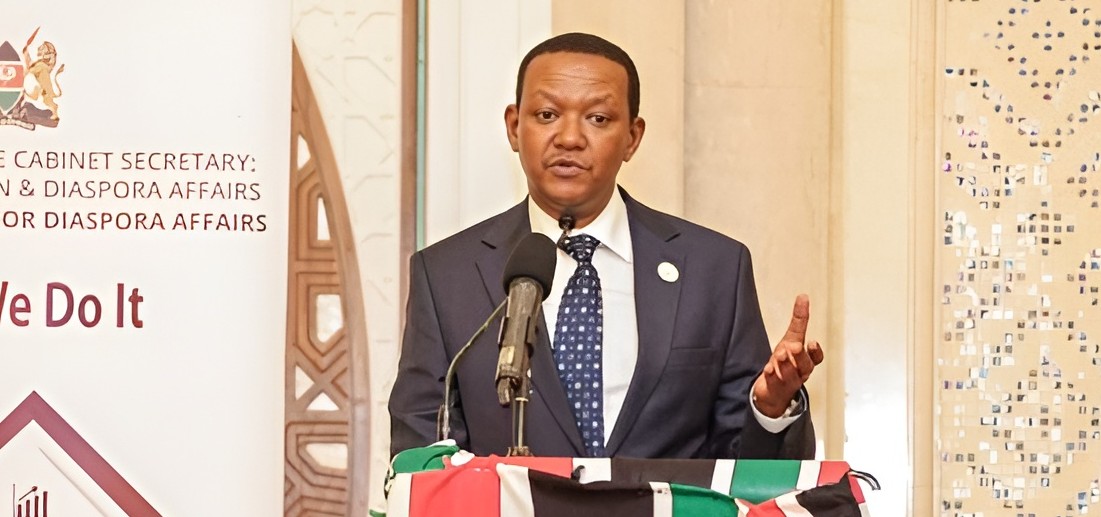
Deputy Health Minister Mohamed Hassan Mohamed stated that Somalia has not reported any cases of the virus, but the National Institute of Health has already moved to a higher level of readiness.
He explained that the ministry does not want to wait for the virus to appear before taking action and aims for all health structures to remain alert and ready to respond.
According to the ministry, several measures are already underway. Disease-surveillance systems are being strengthened to ensure any unusual symptoms or suspected infections are quickly detected at the community level and in health facilities.
Monitoring systems reinforced
Monitoring systems across the country are being reinforced to support early reporting from regional health offices and border points. Rapid-response mechanisms are being established so medical teams can be deployed at short notice if a suspected case arises.
Public health campaigns are also being expanded to raise awareness about Marburg symptoms, transmission methods, and preventive measures. Officials said these campaigns will use radio, community networks, and local health workers to reach people in both urban and rural areas.
The ministry added that coordination with global health partners is ongoing, including continuous communication with the World Health Organisation (WHO).
Officials said this cooperation helps Somalia access technical guidance, laboratory support, and regional risk assessments.
Mohamed emphasised that this joint effort ensures Somalia is not working alone should the virus begin to spread in neighbouring countries.
He also thanked Ethiopia for releasing information on its confirmed cases, stating that open communication between countries is vital for protecting the wider region.
“The safety of the Somali people is our primary responsibility. We will continue to work diligently, in collaboration with regional partners and WHO offices, to ensure the country is prepared for any potential pandemic threat,” he said.
Ethiopia cases
Cases of the Marburg virus were recently recorded in Ethiopia in November 2025, marking the country’s first documented experience with the virus. Health teams there have launched case-isolation procedures, contact-tracing operations, and supportive treatment for patients.
Rwanda also experienced a major outbreak after reporting cases in December 2024.
The spread in Rwanda became one of the most extensive recorded, resulting in infections among medical workers treating patients. The country used experimental vaccines and treatment options during its response, in addition to isolation and contact-tracing measures.
Public health experts in the region have noted that the presence of the virus in more than one country increases the need for early detection and coordinated planning.
Somalia’s Ministry of Health said it will continue monitoring the situation in Ethiopia and Rwanda and will keep the public informed if any new developments arise.
Top Stories Today